How to Create Eco-Conscious Display Homes in Australia

Designing Sustainable Spaces
Creating sustainable spaces in today's architectural landscape is not just about aesthetics but about integrating eco-friendly innovations. For those examining display homes Melbourne, a key aspect to focus on is the materials used. Opting for reclaimed wood and recycled metals can significantly lessen environmental impacts while offering unique design elements. Notably, visiting the architecture exhibitions at Queensland Art Gallery can offer insights into pioneering uses of sustainable materials.
Selecting sustainable furniture involves a balance between form and eco-consciousness. Look for pieces made from fast-growing bamboo or sustainable fibers like hemp, which are making their mark as eco-friendly alternatives. Moreover, manufacturers are increasingly offering options that marry sustainability with style, ensuring no compromise on design aesthetics.
The layout of a space also plays a critical role in sustainability. When designing, consider an open concept that enhances air flow and maximizes natural light, reducing reliance on artificial lighting and HVAC systems. Cheap house and land package options often come with standard layouts, but they can be adapted creatively to incorporate these energy-saving features.
Additionally, exploring mt atkinson display homes could provide practical examples of how these principles are applied in real-world settings. By learning from these models, we can empower ourselves to create spaces that are both innovative and environmentally responsible, much like the eco-friendly buildings around South Bank.
Selecting Green Technologies
When it comes to selecting green technologies for new homes in Melbourne, integrating solar options is paramount. Melbourne builders are increasingly embracing solar panels and solar water heaters to reduce the carbon footprint of new homes melbourne builders. Solar technologies not only provide a sustainable energy source but also offer long-term savings on energy bills, a significant consideration in any sustainable build. Moreover, incorporating smart home features can greatly enhance the efficiency and functionality of a property. Smart thermostats, lighting systems, and home hubs ensure energy is only used where and when it’s needed, thereby minimizing wastage.
It's also crucial to choose efficient HVAC systems that maintain comfort with the least environmental impact. High-efficiency air conditioners, ductless mini-splits, and energy recovery ventilation systems offer excellent options for maintaining indoor air quality and comfort. While implementing these technologies, it's inspiring to take cues from the eco-friendly buildings around South Bank, where the balance of cutting-edge technology and sustainability is on full display.
As a green building specialist, I recommend evaluating these technologies based on how well they align with the design goals and sustainability ambitions of the project. For those involved in designing and furnishing display homes gisborne, these eco-friendly building tips can serve to not only meet but exceed the ever-growing expectations of an environmentally conscious market. By focusing on such innovations, professionals like us can transform spaces into functional, sustainable, and forward-thinking environments that cater to the modern homeowner's needs.
Landscaping Considerations
Low-Water Plants
As an advocate for sustainable design, understanding the impact of water conservation in landscaping is crucial. Opting for low-water plants can transform a traditional garden into an eco-friendly oasis while minimizing water usage. Native Australian plants like kangaroo paw and grevilleas are excellent choices. They not only thrive in local climates but also contribute to the biodiversity of your eco-friendly spaces, making them a smart addition to any house and land package. When visiting the architecture exhibitions at Queensland Art Gallery, I’ve often marvelled at how well low-water landscaping is integrated into sustainable design projects.
Green Roof Ideas
Green roofs are not just a visual asset; they offer insulation benefits and help reduce urban heat. Incorporating them into your designs can make a significant difference in energy efficiency. Plants like sedums and herbs are ideal for these installations, as they are lightweight and require minimal maintenance. Green roofs can also serve as a retreat, aligning perfectly with the green spaces at Roma Street Parkland, providing a serene escape in urban settings.
Outdoor Eco Lighting
Choosing outdoor eco lighting is more than just about appearance; it’s about enhancing sustainability. Solar-powered lights, LED options, and motion sensors are effective in reducing energy consumption while maintaining a stylish look. Outdoor areas designed with eco lighting create a welcoming ambiance and highlight key features of the landscape. Integrating these elements adds value to house and land package melbourne, making them ecologically considerate without sacrificing aesthetic appeal.
Interior Aesthetic Strategies
Natural Light Maximization
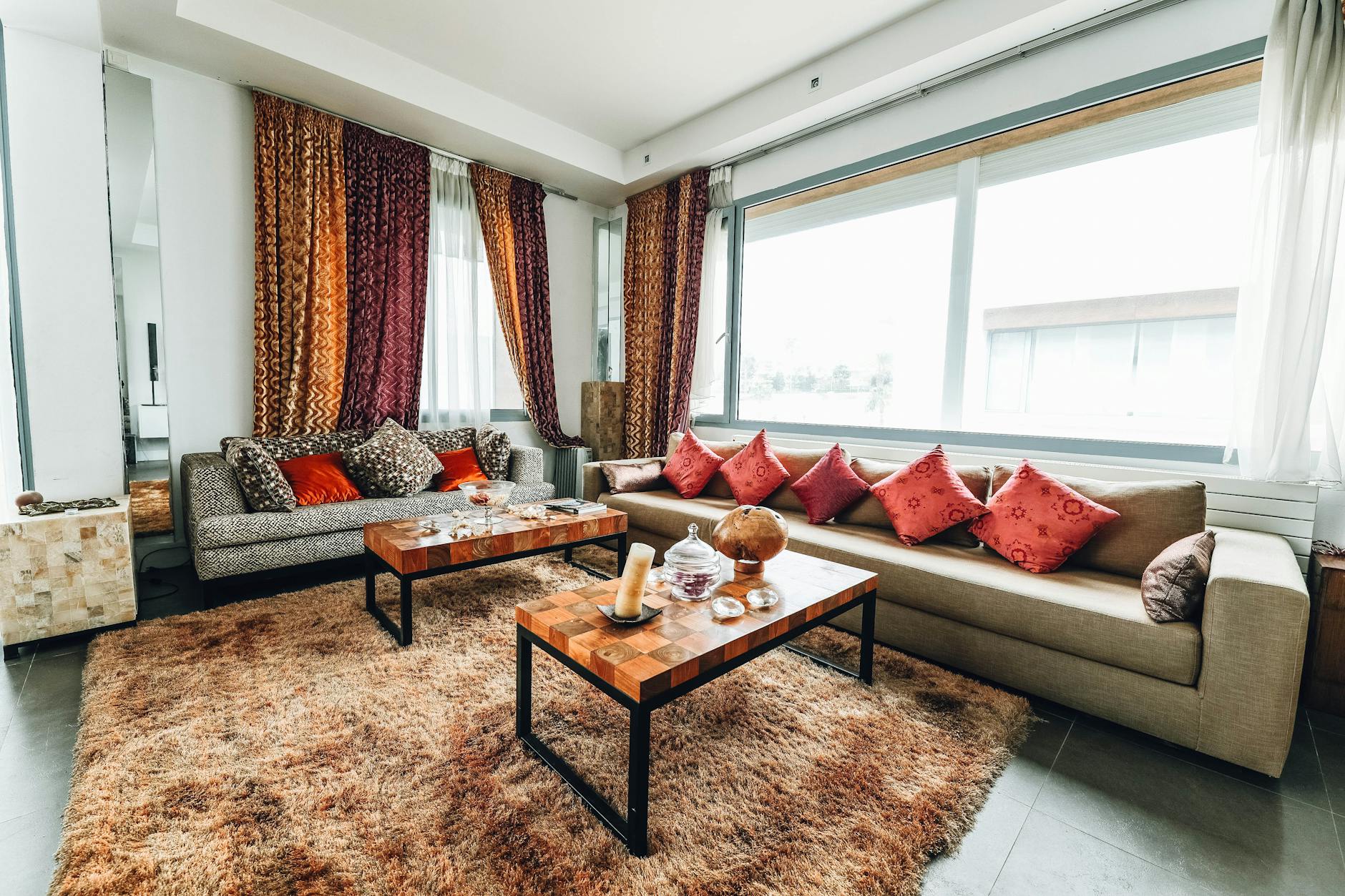
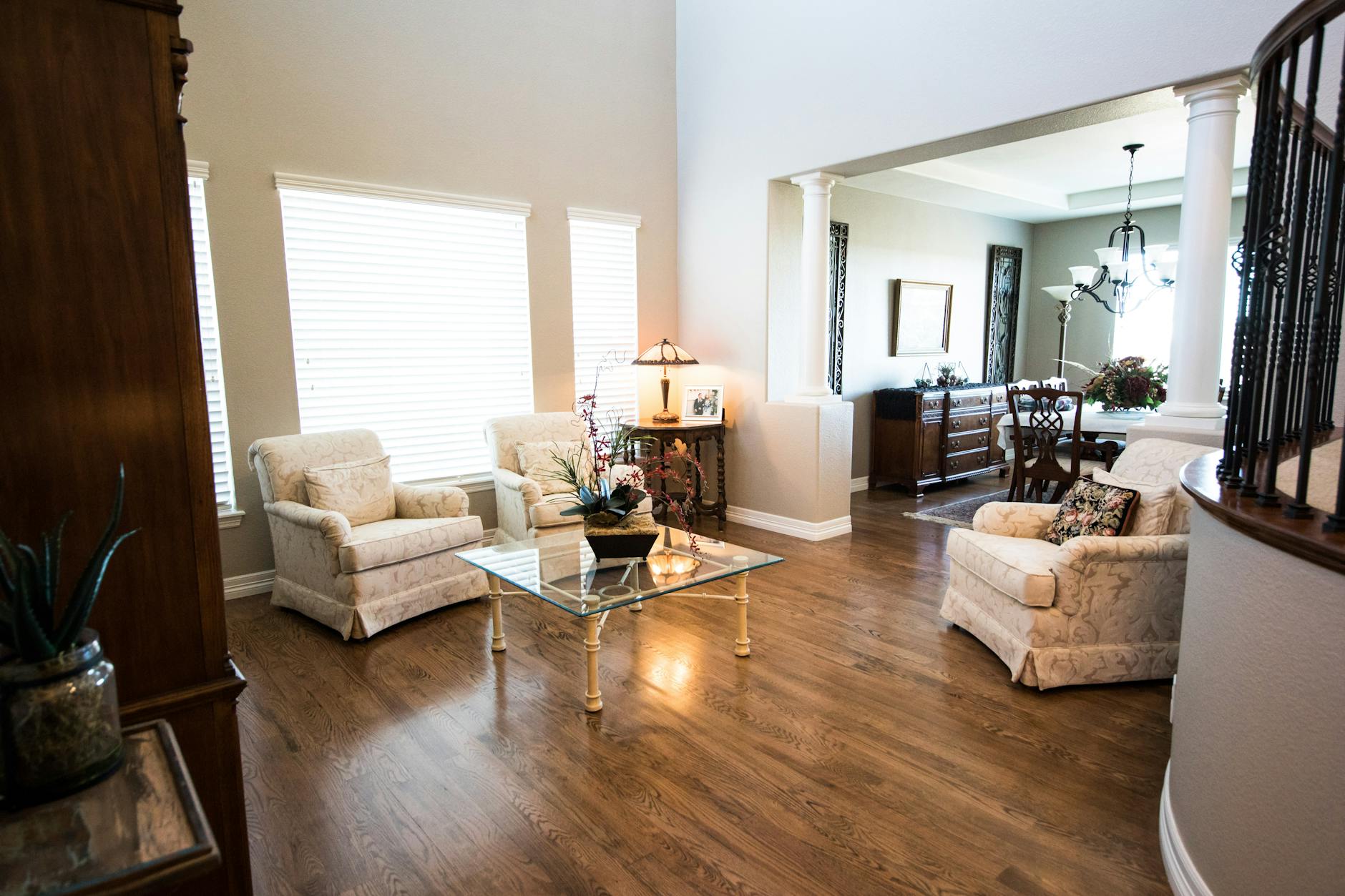
Maximizing natural light in indoor spaces does not only enhance aesthetics but also promotes sustainable energy use, a cornerstone of eco-friendly design practices. Emphasizing large windows or strategically placed skylights allows abundant sunlight to illuminate interiors while reducing dependence on artificial lighting. Light, translucent curtains can further diffuse daylight throughout the space for an added sense of calm and openness, reminiscent of the airy feel in display homes craigieburn vic.
Calming Color Palettes
Choosing a calming color palette is essential to creating serene and sustainable interiors. Earth tones, muted greens, and gentle blues can evoke a sense of tranquillity while seamlessly integrating with various design elements. These colors reflect natural surroundings and are often observed in eco-friendly buildings around South Bank. Opt for non-toxic, low-VOC paints to ensure a healthy indoor environment that aligns with sustainable values.
Textured Elements
Incorporating varied textured elements adds depth to interiors, creating a dynamic yet harmonious aesthetic. Materials like reclaimed wood, stone, and eco-friendly textiles bring a tactile experience to the space, connecting occupants with nature. These textures add character and warmth to rooms, much like the carefully curated interiors seen in point cook display homes. Each element should be thoughtfully chosen, considering its sustainability and emotional resonance, to empower designs that merge innovation with authenticity.
Overcoming Hurdles in Eco Design
Harmonising Style and Function
When it comes to marrying functionality with aesthetics, the challenge often lies in maintaining a balance without compromising either aspect. Professionals often look to eco-friendly building tips found in the architecture exhibitions at the Queensland Art Gallery to draw inspiration. The key lies in choosing materials that align with both the design and sustainable goals. Opting for modular designs, which can be adapted as the occupants' needs evolve, is a crucial step. Incorporating multi-functional elements into homes and offices, like vertical gardens that serve as natural air purifiers, adds a layer of practicality to the design.
Educating Clients
Education stands as a cornerstone in the transition to green building practices. It helps bridge the gap between what clients envision and the environmentally responsible outcomes they deserve. Transparency about the long-term benefits of sustainable choices is crucial. By introducing clients to eco-friendly buildings around South Bank and sharing success stories can ease doubts and resistance. Furthermore, showcasing tangible benefits, such as energy savings and improved indoor air quality through robust air conditioning systems, further solidifies buy-in.
Navigating Regulations
Staying within local and national building codes can sometimes feel like navigating a labyrinth. It is essential to keep abreast of the latest guidelines which support eco-friendly innovations like efficient HVAC systems and smart home technologies. Collaborating with local councils is instrumental, providing insights into upcoming changes and aligning project goals accordingly. The green spaces at Roma Street Parkland exemplify how natural and constructed environments can coexist, offering inspiration for projects that adhere to regulations yet push the envelope of design.